How to choose a mattress?
In short
Choose a mattress by your weight, sleeping position and health needs: up to ~70 kg a soft mattress usually suits, 70–100 kg a medium one and over 100 kg a firm one. Side sleepers need a softer mattress, stomach sleepers a firmer one.
Did you know that the right mattress is not only comfortable but also important for your health? It keeps the spine aligned, improves circulation and reduces back pain. When choosing, the key is to consider your weight, height, sleeping position and health needs.
1. The main types of mattresses
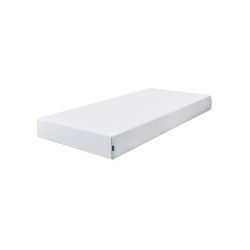
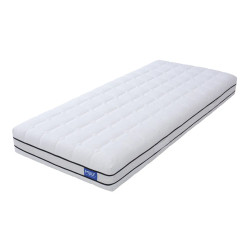
Foam (polyurethane) mattresses
Soft and elastic, they follow the shape of the body, spread the weight evenly and give precise support. Muscles relax, the spine stays aligned and circulation is not disturbed. A big advantage: they do not transfer movement.
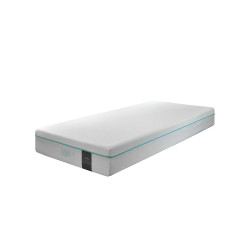
Spring mattresses
They spread body weight evenly, so there is no unpleasant pressure. Thanks to the open construction they breathe well, do not trap moisture and feel pleasantly cool. Spring mattresses are also very durable.
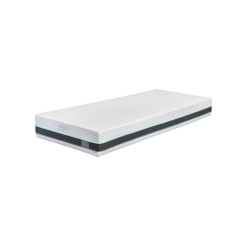
Hybrid mattresses
They combine the best of spring and foam mattresses: the spring unit gives firm support and good airflow, while the foam layers on top adapt to the body and spread the load evenly.
2. Which firmness suits you
The right firmness depends mainly on body weight and sleeping position – the same mattress feels different to different people.
- Soft – usually for lighter people (up to ~70 kg).
- Medium – for people of average weight (about 70–100 kg): a good balance of comfort and support.
- Firm – for heavier people (over 100 kg): keeps the body from sinking in too deep.
Your sleeping position matters too:
- On your side – a soft or medium mattress lets shoulders and hips sink in comfortably.
- On your stomach – a firm mattress supports the natural S-curve of the spine and protects against neck and back pain.
- On your back – a medium mattress keeps the spine straight without the neck area sinking too much.
3. Materials and construction
- Allergies or sensitive skin – hypoallergenic materials such as covers treated with aloe vera, or latex mattresses: latex is naturally unfriendly to dust mites and mould.
- If you sleep hot – breathable latex mattresses or models with a gel layer: their open structure lets air circulate more freely.
- For long-term use – well-layered hybrid mattresses (springs plus foam or latex layers) keep their shape and comfort longer.